Industrial flanges / Mumbai, India


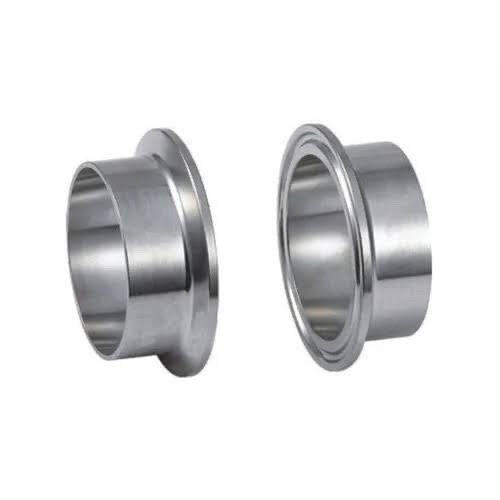
Valtron Forge & Fittings is a leading manufacturer, supplier, stockist, and exporter of premium quality Buttweld Stub End in India. We offer a comprehensive range designed to meet international standards and the demanding requirements of industrial piping systems.
Our stub ends are used with lap joint flanges to create economical, easily dismantled flanged connections – especially valuable in corrosive services where only the wetted parts need to be high alloy.
A Stub End (lap joint stub) is butt-welded to the pipe while a lap joint flange slides freely behind it. The flange can rotate for easy bolt-hole alignment, and because the flange never contacts the fluid it can be supplied in lower-cost carbon steel. Available in Type A, Type B and MSS SP-43 patterns.
Used with lap joint flanges for quick-release flanged joints
Rotating backing flange allows easy bolt-hole alignment
Cost saving – only the stub end needs to be high alloy
Available in Type A, Type B and MSS SP-43 configurations
Bevelled ends as per ASME B16.25 for full-penetration welding
Available in all grades of stainless, carbon, alloy and nickel alloys
Ideal for systems requiring frequent dismantling and cleaning
| Parameter | Specification |
|---|---|
| Product | Buttweld Stub End |
| Manufacturing Standards | ASME B16.9, ASME B16.28, MSS SP-43, DIN 2605/2615/2616, EN 10253, JIS B2311 |
| Material Standards | ASTM A234, ASTM A403, ASTM A420, ASTM A815, ASTM B366 |
| International Codes | ASME, ASTM International |
| Size Range | ½” NB to 48” NB |
| Wall Thickness | Sch 5S to Sch XXS |
| Type | Seamless (up to 24”) & Welded / Fabricated |
| End Connection | Butt-Weld with bevelled ends as per ASME B16.25 |
| Inspection & Testing | PMI Testing, Hardness Test, Impact Test, Hydrostatic Test, Dimensional Inspection, Visual Inspection |
| Certification | Mill Test Certificate (EN 10204 3.1 / 3.2), Third-Party Inspection (TPI) |
Stub End requirements depend on the end connection and adjoining pipe. The reference below supplements the existing product data; offered scope is confirmed against the complete specification.
| Parameter / designation | Technical information | Selection requirement |
|---|---|---|
| Fitting geometry | Lap thickness, diameter, corner radius and compatibility with the backing flange. | Supply a drawing for non-standard or replacement interfaces. |
| End connection | Butt-weld ends matched to the adjoining pipe. | State pipe schedule, wall thickness and end preparation. |
| Dimension standard | ASME B16.9 where applicable; identify another standard for forms outside its scope. | Confirm the fitting type and edition rather than applying one standard to every form. |
| Material specification | ASTM A234, A403 or A815 are examples for different wrought fitting materials. | State the actual grade, product form, heat treatment and supplementary requirements. |
| Pressure design | Wall thickness, material, design temperature and applicable piping code. | Do not equate fitting class, pipe schedule and flange class. |
Compare Stub End with the related forms or references below. A related product is not necessarily a permissible substitute.
| Related product / reference | Distinction | Check before selection |
|---|---|---|
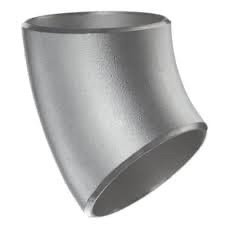
| Short Radius 45-degree Elbow | Compare the short radius 45-degree elbow geometry and end connection with the piping layout. | Confirm sizes, wall/class and the mating pipe specification. |
| Long Radius 45-degree Elbow | Compare the long radius 45-degree elbow geometry and end connection with the piping layout. | Confirm sizes, wall/class and the mating pipe specification. |
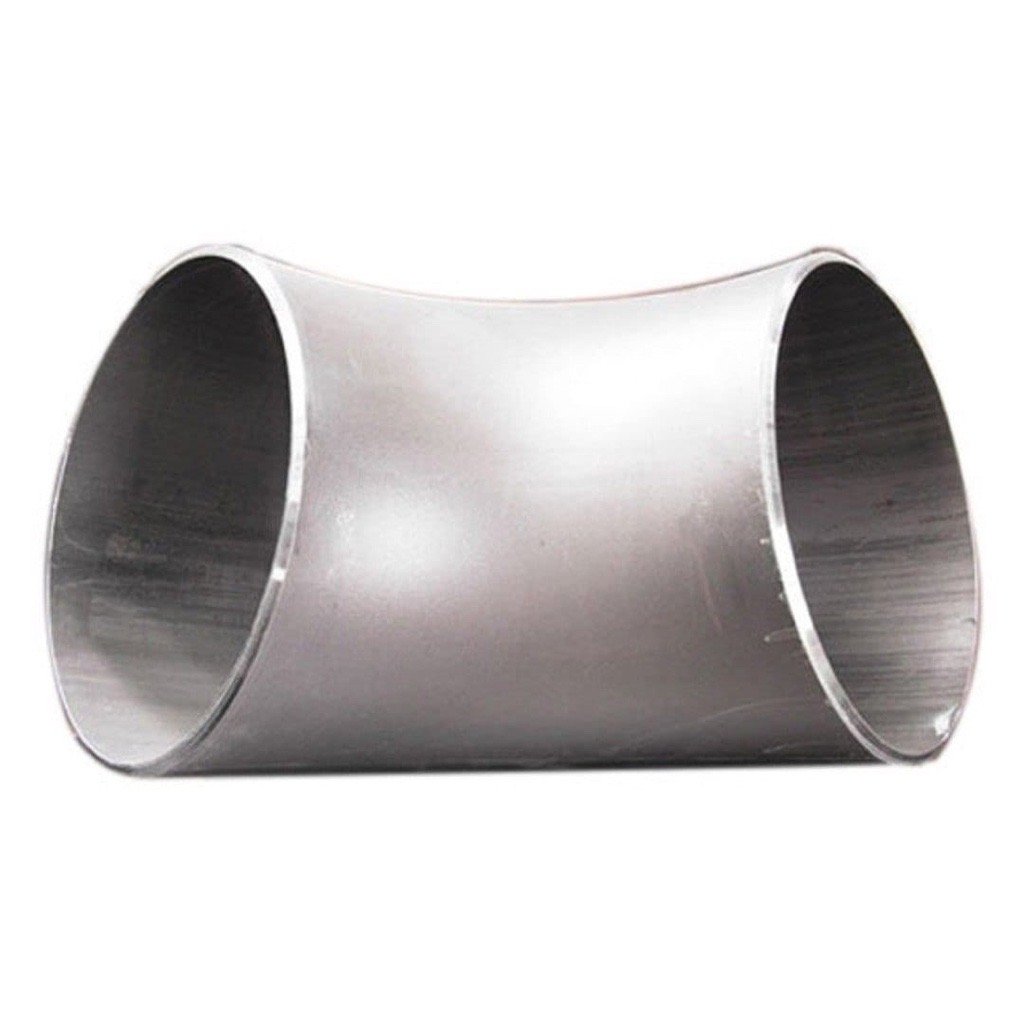
| Short Radius 90-degree Elbow | Compare the short radius 90-degree elbow geometry and end connection with the piping layout. | Confirm sizes, wall/class and the mating pipe specification. |
| Long Radius 90-degree Elbow | Compare the long radius 90-degree elbow geometry and end connection with the piping layout. | Confirm sizes, wall/class and the mating pipe specification. |
| 180-degree Return Bend | Compare the 180-degree return bend geometry and end connection with the piping layout. | Confirm sizes, wall/class and the mating pipe specification. |
Define acceptance requirements for Stub End in the purchase order. Required examinations and documents depend on the material, design and project specification.
| Review stage | Information to confirm | Order requirement |
|---|---|---|
| Material identity and traceability | Specification, grade, heat/lot identification and the required material certificate. | Agree documentation and marking before manufacture; visual appearance cannot verify alloy identity. |
| Dimensional verification | Critical dimensions from the selected standard or controlled drawing. | Identify inspection points, tolerances, units and drawing revision. |
| Surface and end condition | End preparation, threads/sockets where applicable and accessible surfaces. | State finish and visual acceptance criteria; agree protection of machined surfaces. |
| Supplementary examinations | Any specified PMI, NDE, hardness, impact, corrosion or other tests. | Define the method, sampling and acceptance criteria; tests are not automatically included. |
| Assembly compatibility | Adjoining components, weld or mechanical interface and project service conditions. | Design approval and correct assembly remain separate from a dimensional inspection report. |
| Packing and order release | Quantity, identification, surface protection, documents and delivery destination. | Agree preservation, packaging and release requirements with the order. |